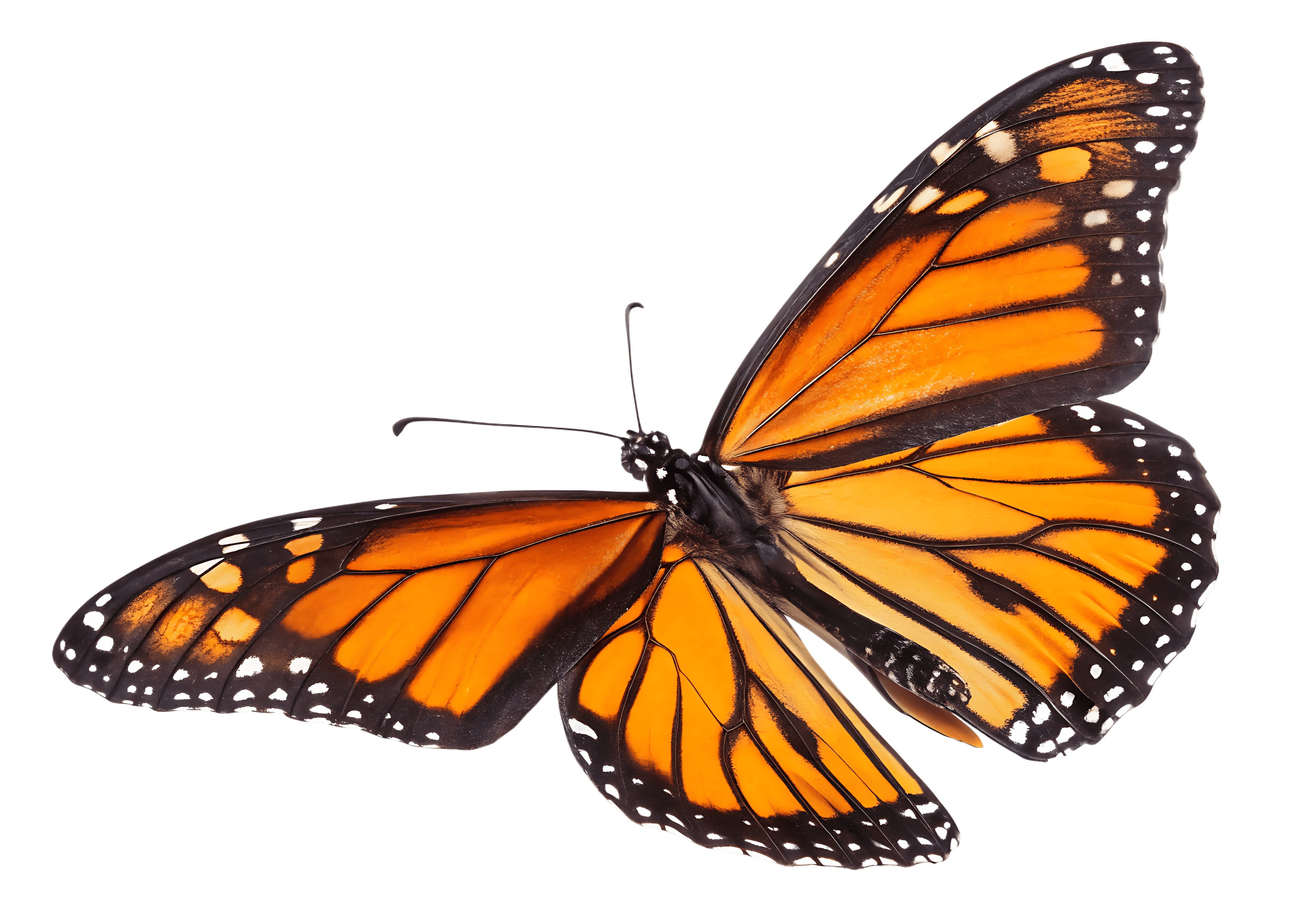
BRC Monarch Map
Help Save the Monarchs!
Welcome to the BRC Monarch Map, our first program in the BRC Beautification Initiative! This interactive map highlights all Bark River Crossing areas with milkweed (shown in orange) to track our community's support for Monarch butterflies. See at a glance where these essential butterfly habitats exist in our neighborhood, including all Outlots and trails. Help us fill the map with orange by marking your property as a Monarch Haven in your homeowner profile if you have milkweed, or consider planting some to join the effort!
Why Monarchs Matter
Monarch butterflies aren't just beautiful. They're beneficial for all of us in Bark River Crossing:
- They're important pollinators that help flowering plants reproduce, including many of the fruits and vegetables we enjoy.
- They bring joy and beauty to our outdoor spaces, adding color and movement to gardens and creating peaceful moments of connection with nature.
- They create teaching moments for our community's children, offering fascinating lessons about nature, life cycles, and the importance of conservation.
- They help create a healthier neighborhood - By supporting native plant diversity, Monarchs contribute to cleaner air, reduced pollution, and a more balanced ecosystem that benefits all residents.
- They enhance property values - homes in neighborhoods with diverse wildlife and natural beauty are more desirable and can command higher prices.
By supporting Monarchs, we're investing in a healthier, more beautiful, and more valuable community for everyone at Bark River Crossing!
Why Milkweed Matters
Monarch caterpillars can ONLY survive on milkweed plants! These striped munching machines depend entirely on milkweed leaves for food, which is why adult Monarchs lay their eggs exclusively on these plants so their babies can feast as soon as they hatch.
While the adult butterflies sip nectar from many different flowers, without milkweed to nurture their young, the next generation simply cannot exist. These beautiful orange-and-black travelers are struggling to survive, and your backyard milkweed could be the crucial nursery their babies need! Click here to learn more!
The Monarch Butterfly's Amazing Story
These incredible insects travel thousands of miles each year between the US/Canada and Mexico—it's like a tiny butterfly road trip! But sadly, their numbers have declined by over 80% in recent decades because:
- Milkweed plants are disappearing due to changing land use and modern landscaping practices.
- Widespread use of weed control products has reduced native milkweed habitat.
- Changing seasonal patterns can throw off the timing between when milkweed emerges and when Monarchs arrive to lay their eggs.
- As if that wasn't bad enough, even under ideal conditions, a Monarch caterpillar has only about a 10% chance of surviving to become an adult butterfly in the wild!
How You Can Help (It's Easy!)
- Check your yard for milkweed plants - Look for oval leaves and pink flowers. Click here for an identification guide.
- If you have milkweed, protect it and let us know! - Avoid mowing these precious plants, skip the pesticides around them, and mark your yard as a Monarch Haven on our map by visiting your BRC Homeowner Profile.
- No milkweed yet? Consider planting some! - It's a butterfly lifesaver! (see below for more info)
Why Mark Your Monarch Haven Status on the Map?
- You help track "Monarch highways" through our neighborhood
- Our community can see how many Monarch-friendly yards we have
- We can organize community planting efforts where milkweed is missing
- Your participation might inspire neighbors to learn about and join the effort!
By taking these simple steps and marking your Monarch Haven Status in your homeowner profile, you're helping these amazing travelers continue their incredible journey for generations to come. Every backyard matters!
Wisconsin's Monarch-Friendly Milkweeds
Good news for Wisconsin gardeners! You've got plenty of milkweed options to help our butterfly friends. The Xerces Society (butterfly experts!) recommends planting milkweed that naturally grows in your area, and Wisconsin is home to some wonderful choices.
The Superstars (Most common and easy to grow):
- Common Milkweed - The classic favorite! Grows almost anywhere
- Swamp Milkweed - Perfect for those wet spots in your yard
- Butterfly Milkweed - Gorgeous orange flowers that butterflies love
Beautiful Options to Consider:
- Poke Milkweed - Loves woodland edges and partial shade
- Whorled Milkweed - Delicate and pretty with thin leaves
- Showy Milkweed - Lives up to its name with beautiful blooms
- Green Milkweed - Unique green-flowered variety
Specialty Milkweeds (For the adventurous gardener):
- Clasping Milkweed - Interesting leaves that wrap around the stem
- Sand Milkweed - Great for sandy soil areas
- Prairie Milkweed - A true Wisconsin native prairie plant
- Marsh Milkweed - Beautiful purple flowers for wet areas
Not sure which to choose? Start with Common, Swamp, or Butterfly milkweed. They're the easiest to find at local garden centers and grow beautifully in most Wisconsin yards!
© Bark River Crossing Homeowners Association | website built by Erik Richter